
Key takeaways
I made a $30,000 mistake as a new real estate investor. Today, I’ll teach you how to avoid making the same mistake by finding the right real estate investing mentor or coach (one you know will be a good investment).
- The right mentor can save you thousands of dollars and years of trial and error. My $30,000 mistake was totally avoidable. If I’d had a mentor, I could have skipped it.
- Not all mentors are the same, and picking the wrong one can hold you back just as much as not having one. I’ll share the exact steps I use to tell real coaches apart from people just selling a course, and where you can actually find them.
- Mentorship only works if you do. Whether it's a structured coaching program or a casual relationship, your results depend on your mindset, your follow-through, and how coachable you are.
- Mentorship isn’t the only way to succeed, but it’s usually the faster one. Sometimes, a mentor isn’t the best choice, especially if you haven’t saved enough yet or are just starting out.
My phone rang at 11 pm. My panicked tenant told me raw sewage was backing up through the kitchen sink and flooding the floor.
That call ended up costing me $9,000 to fix, and more than $30,000 in total after adding the cleanup, emergency service calls, and everything else.
All because I skipped a $200 sewer scope inspection on my very first deal.
I didn’t know that was a thing you were supposed to check. Nobody told me.
That’s what happens when you try to figure out real estate on your own.
Not to mention: Most new investors get completely stuck in analysis paralysis and never even get started.
That’s why finding the right mentor is one of the smartest moves you can make.
A good real estate investing mentor can help you…
- Break through the overwhelm
- Avoid expensive rookie errors (like the one that cost me $30K)
- Fast-track your path to your first deal
In this guide, you’ll learn exactly how to find a mentor, where to look, what red flags to watch for, and whether you even need a mentor.
Let’s dive in.
Table of contents
What is a real estate investing mentor?
A real estate investing mentor is an experienced investor who provides personalized guidance on property acquisition, financing, and management to help someone new to the industry avoid costly mistakes and reach their first deal faster.
Paid, one-on-one mentorship is often also called coaching, and the two terms are usually interchangeable.
More broadly, a mentor shares advice, guidance, and insights based on their own experience to help mentees navigate real estate investing—from finding a deal to closing on it to managing it profitably.
In real estate, one mistake can cost thousands. Having the right guidance can mean the difference between getting stuck and making real progress.
That might be why 97% of people with a mentor say that they are valuable.
I learned that the hard way.
My $30,000 real estate mistake
Remember that 11pm call I mentioned? Here’s the full story.
It was my first rental property, a $262,000 single-family home in Stockton, California. No one told me what to look out for, so when the standard inspection came back clean, I thought everything was fine.
What I didn’t know was that a standard inspection doesn’t check the sewer lateral line. Mine was old cast-iron, and years of tree roots had broken it apart underground. There was no way to know that from the outside.
Then came the call. Raw sewage was backing up through the kitchen sink, flooding the showers and kitchen floor. I had to get the line dug up and replaced that week: $9,000 right there.
By the time I added in the cleanup, the emergency service calls, and everything else that came with it, I was over $30,000 in the hole — on my very first deal. It wiped out my cash reserves, and I ended up picking up overtime shifts at my pharmacy job just to recover.
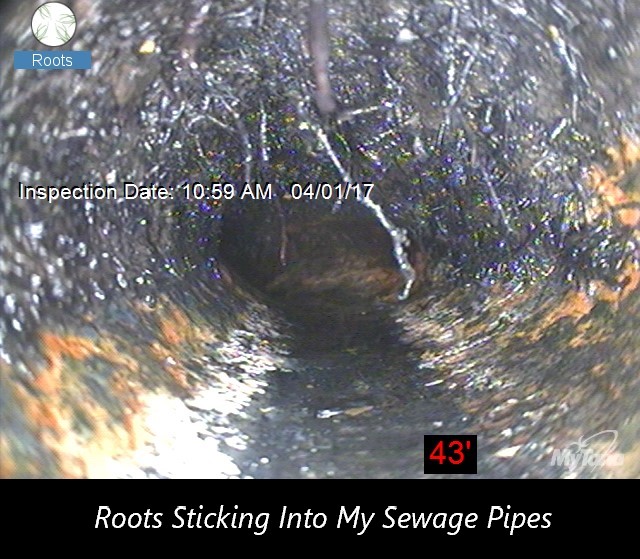
This was just one of the issues I encountered…
Here’s the thing, though: that property still appreciated $168,000 to $175,500 over the next five to seven years.
So this isn’t really a story about real estate being too risky. It’s about one specific, preventable mistake.
I should have ordered a separate sewer scope inspection before closing on an older property.
Here’s the lesson: Standard inspections don’t cover sewer lateral lines. For any home over 20 years old, order a separate sewer scope before closing. It usually costs $150 to $300 and could save you tens of thousands.
Looking back, that’s exactly the kind of thing a mentor would have told me.
That’s a big reason why I mentor others now: so they don’t have to learn that lesson the hard and expensive way as I did.
Since then, I’ve built a seven-figure portfolio, but the road would’ve been a lot smoother and less stressful if I’d had the right mentorship early on.
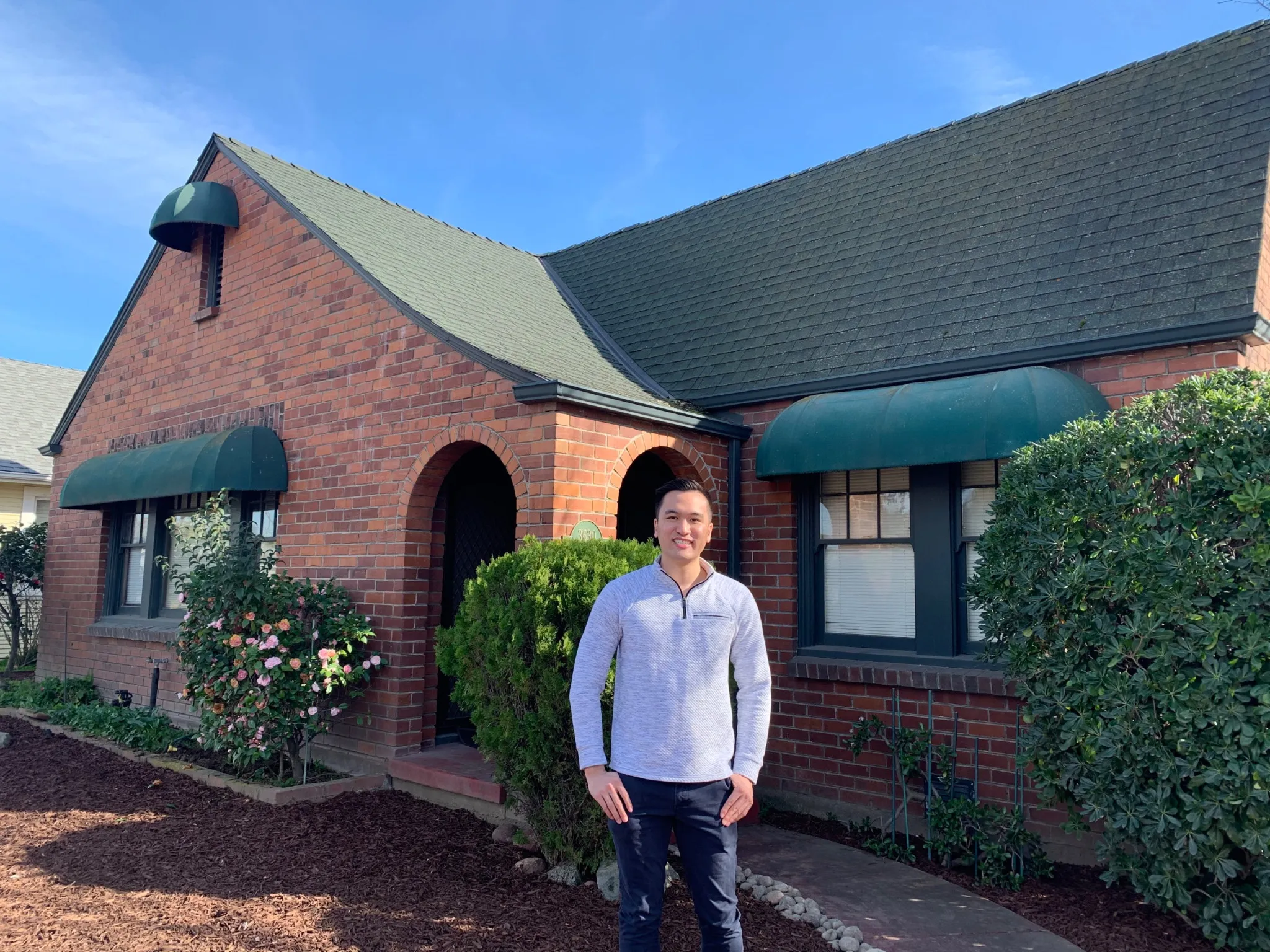
Me in front of one of my properties!
Types of real estate mentors (and which one might be right for you)
You can take a few different paths when looking for a mentor. Each has pros and cons depending on your goals, timeline, and how fast you want to move.
1. Paid coaching programs
This option is the fastest path to real results. Coaching programs give you structured support, personalized help, and a clear plan to follow. You’ll know exactly what to do next, and someone will hold you accountable.
The most common types of paid coaching programs are:
- One-on-one mentorship: This is typically a paid mentorship with a personal mentor. You get tailored help defining your goals and creating a strategy that works for you. You also get the value of one-on-one time with an expert who has been in your shoes. This is the most customized mentorship program for real estate investors.
- Group mentorship: Group mentorship is when you are part of a mastermind consisting of other real estate investors. Groups can vary in size; sometimes there are fewer than 10 people, and sometimes there are hundreds. The benefit of this type of program is that you can learn from your mentor and the other participants as they go through their investment journeys. It’s also a great opportunity to network with others in your field.
Some real estate investors also offer real estate courses that are self-study programs you take at your own pace.
Best for: Investors who are serious about building a portfolio and want to avoid wasting time guessing.
2. Free or organic mentors
You might meet these through networking events, online forums, or local groups. These relationships can be valuable, but they’re usually informal. You’re depending on someone else’s availability and generosity – not a system designed around your success.
Another option are apprenticeships. As an apprentice, you shadow a real estate investor in their day-to-day activities or train with them.
In return, you pay a percentage of your earnings once you start investing on your own. This usually also requires a much larger full-time commitment. Many apprenticeship mentors may be picky about whom they choose to take on since they have to devote much more time to it.
Best for: Beginners looking to learn passively or build connections, but not ideal if you want consistent support or a clear timeline.
What a mentor actually helps you with
A great mentor will:
- Help you avoid expensive pitfalls and bad deals
- Share systems and shortcuts that worked for them
- Open doors to trusted lenders, agents, and contractors
- Keep you focused and accountable to your goals
Take my client Kali, who struggled with analysis paralysis for years. After working with me as her mentor, she was able to finally purchase her first rental after just a few months of guided support:
Similarly, Chetan was stuck in fear. But with my support, he was finally able to find his first property – and build an extremely profitable portfolio:
But keep in mind, a mentor won’t:
- Do the work for you
- Make decisions on your behalf
- Guarantee overnight success
A mentor is a guide, not a crutch. You still need to show up, take action, and be willing to learn.
But is one even worth it?
Is it even worth paying for a real estate mentor?
I think about coaching cost the same way I thought about pharmacy school: it’s tuition for a focused, high-ROI specialization.
Pharmacy school wasn’t cheap either, but it bought a specific, marketable skill set that paid me back for years afterward.
Paid mentorship works the same way — you’re not buying a few phone calls, you’re buying years of someone else’s trial and error compressed into months, and a skill set that keeps paying you back on every future deal, not just your first one.
But you do need to know how to avoid red flags.
Over the years, I’ve seen a lot of new investors waste time, money, or both because they didn’t spot the warning signs. If someone’s main pitch is how much money you can make, but they can’t show proof of their own deals or student success stories, be very skeptical.
Real mentors have real results. Period.
And if they know what they’re doing, their clients get real results – like these:
What real mentorship client outcomes can look like
Below are real deals from real clients I’ve worked with. I teach my rent-by-the-room student housing system so they all followed the same system. However, they are located in different states and have different backgrounds.
Some of my clients invest out of state, while others invest in their home states. They all have demanding full-time jobs.
Some house hacked their way to living rent-free. Others built straight cash flow from day one. A few started with less than $65,000 and still made it work. You can see more testimonials here.
| Client | Deal | Outcome |
| Wahyudinata | $1.125M home, 6BR/4BA converted to 8BR housing with 10 tenants | $9,600/mo gross rent, $5,500/mo net on $200K down |
| Tim | Negotiated purchase price down to $62K, converted 3BR to 4BR | $1,500/mo cash flow |
| Christopher | Riverside property with an ADU and converted garage | $2,000/mo net cash flow |
| Kali | Turnkey property, added a bedroom, leased within weeks of closing | $4,200/mo rental income |
| Brandon Wong | Sacramento duplex, rented by the room | $2,800/mo on just one unit |
| Hyun / Andy | House hacks in Texas and Sacramento | Both live rent-free; Andy also nets $700/mo |
| Yuzo / Chetan | First rental purchases | $1,500/mo net cash flow each |
| Chetan | Scaled to 6 rentals across two markets | Full portfolio spanning Atlanta and Tampa |
Want to see one play out in full, deal to close? Read Benny’s case study or Yuzo’s case study — both walk through the exact numbers, timeline, and decisions behind the deals.
Where to find a real estate investing mentor (top 10 places)
The short answer: local meetups, online communities, industry professionals, your existing network, and the content you’re already consuming are all places a real estate investing mentor can come from. You just have to know how to look.
But ultimately, there’s no single “best” place. It depends on your goals, your budget, and how much support you need.
Some people stumble into the right mentor through a casual conversation. Others (like many of my clients) go straight to a structured coaching program because they’re ready to move fast.
Here are the 10 places I recommend checking first:
1. Local real estate meetups or networking events
One of the easiest ways to build real relationships is to attend local real estate events. You’ll meet other investors in your area — some who are just starting, and some who are experienced enough to mentor.
Search platforms like Meetup, Eventbrite, or look up your city’s REIA (Real Estate Investors Association) chapter.
2. BiggerPockets and Reddit communities
These online communities are packed with active investors sharing real experiences and answering questions.
On BiggerPockets, read blog posts, join forums, and connect with members in your market. Here’s my own story on BiggerPockets.
On Reddit, I recommend subreddits like:
Pro tip: Look for users who consistently give solid, thoughtful answers. Message them privately and thank them, then see if there’s an opportunity to learn from them further.
3. Real estate investment Facebook groups and forums
Facebook has dozens of niche-specific real estate groups where investors are active daily. Try groups like:
- Real Estate Rookie
- Multifamily Mentors
- Any location-specific investing groups
These communities are a great place to ask questions, find meetups, and sometimes even get direct referrals to coaches or mentors.
4. Real estate blogs, podcasts, and YouTube channels
Bloggers, podcasters, and YouTubers are often very approachable. Many of them run programs, offer coaching, or at least provide a community you can join.
If you find someone whose strategy really clicks with you, don’t just binge their content — reach out. Comment on their posts, reply to their newsletter, or send a message.
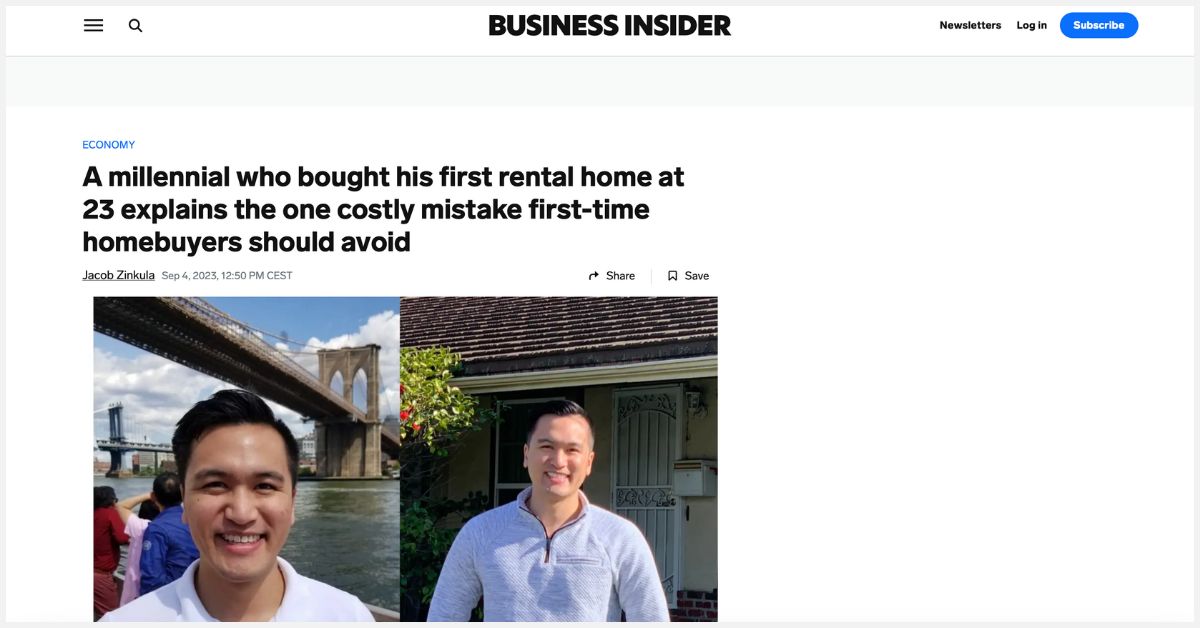
I’ve had multiple clients find me through this blog, my YouTube channel, podcast interviews where I shared my strategy (like this one or this one), as well as articles in Business Insider:
5. Your personal network
You might be surprised how many people in your existing network have some connection to real estate.
Let your friends, family, or coworkers know that you’re starting to invest and are looking to connect with experienced investors. Referrals can lead to powerful mentorship opportunities, especially if someone vouches for you.
6. Volunteering or working for free
This one takes more hustle, but it works.
Offer to help a successful investor in exchange for the chance to shadow them. You could help with lead generation, property tours, or tenant screening.
Just be upfront about what you’re offering and what you hope to learn.
7. Real estate conferences and trade shows
Conferences and meetups are full of high-level investors, speakers, and coaches.
The goal isn’t to pitch yourself right away. It’s to start conversations, follow up after the event, and build real connections.
I myself have met plenty of my clients at different real estate investing conferences.
8. Alumni networks and business associations
If you went to college, your alumni association is a surprisingly powerful resource.
Search LinkedIn for “real estate investor + [your university]” or check if your school hosts entrepreneurship or investing groups. Same goes for business associations like your local chamber of commerce or young professionals network.
You already have something in common, and that makes it easier to start the conversation.
Some of my own clients have found and connected with me because of our shared alma mater (University of the Pacific).
9. Industry professionals who already work with investors
Some of the best mentors aren’t marketing themselves as mentors at all — they’re the professionals already doing deals alongside active investors every day.
Think:
- Investment-focused real estate agents who specialize in working with buyers, not just homeowners
- Mortgage brokers who structure financing for investment properties specifically
- Property managers who see what actually breaks (and costs money) after closing
- CPAs who work with real estate investor clients and understand the tax side
These professionals talk to active investors all day long. Ask them who their most successful clients are, and don’t be afraid to ask if they’d be open to an introduction.
10. The end credits of real estate podcasts
Real estate podcast guests almost always share how to reach them at the end of an episode.
My advice: the next time you finish an episode where the guest’s strategy clicks with you, listen through the outro, grab their info, and reach out that same day.
How to choose the right real estate investing mentor
Not all mentors are created equal. And choosing the wrong one could set you back just as much as not having one at all.
I’ve worked with clients who came to me after following bad advice from people who weren’t actually investing — they were just trying to sell a course. So how do you find someone who can actually help you reach your goals?
Here’s what I recommend looking for.
What to look for in a real estate mentor
1. Strategy alignment
Having “real estate experience” isn’t enough — your mentor needs to have real experience in the exact strategy you want to pursue.
For example, I focus on helping my clients build profitable student rental portfolios with single-family homes. It’s a strategy I’ve personally used to retire early and achieve financial freedom.
But if you’re looking to flip homes or invest in large multifamily buildings, someone who’s only ever done buy-and-hold single-family rentals — even successfully — isn’t the right mentor for you.
A mentor with no experience in your strategy can only teach you what worked for theirs.
You can use a tool investor Ray Dalio calls believability weighting — the idea that not every opinion deserves equal airtime. You weight advice by how proven and specific the source’s track record actually is in that exact situation.
Apply it to mentor-vetting like this: when you’re getting conflicting advice from forums, books, and social media, stop treating every voice the same. Ask, “Has this person actually done the specific thing I’m trying to do — not just real estate in general, but this strategy, in a market like mine?”
If you’re curious about my strategy specifically, I share the details here:
2. They’re actually investing
This might sound obvious, but you’d be surprised how many “mentors” make their money selling coaching programs instead of doing real deals.
3. They’re generous with knowledge, but also honest
The best mentors don’t sugarcoat things. They’ll give you direct feedback and help you make smarter decisions, not just hype you up. They should be willing to answer questions, troubleshoot your deals, and help you think strategically.
At the same time, they won’t spoon-feed you. This is a partnership, not a shortcut.
4. They take a long-term view
A good mentor is focused on helping you succeed long-term, not just sell you something and disappear. Whether it’s through structured calls, consistent check-ins, or ongoing community access, they should be invested in your growth beyond just a one-time transaction.
5. They hand you systems, not just motivation
A mentor who’s actually done this before should be able to hand you the tools they built along the way — deal calculators, lease addendums, tenant-screening SOPs, autoresponder scripts, the stuff that took them years to build.
If a sales call is heavy on hype and light on “here’s what you’ll actually walk away with,” that’s worth noticing. Motivation wears off after week two. Systems don’t.
6. You can find reviews and testimonials
Here’s a simple, concrete way to verify a mentor: Ask for 3–5 direct contacts of past students you can call yourself.
I always do this unprompted with new clients. For instance, when my client Benny was deciding whether to join my program, I gave him 5–6 contacts of former students so he could hear directly from them before he committed to anything.
That’s the standard to hold any mentor to. If they hesitate, stall, or only offer you curated written testimonials instead of an actual person you can call, that tells you something.
A mentor with real results has nothing to hide and nothing to lose by connecting you with people who’ve already been through it.
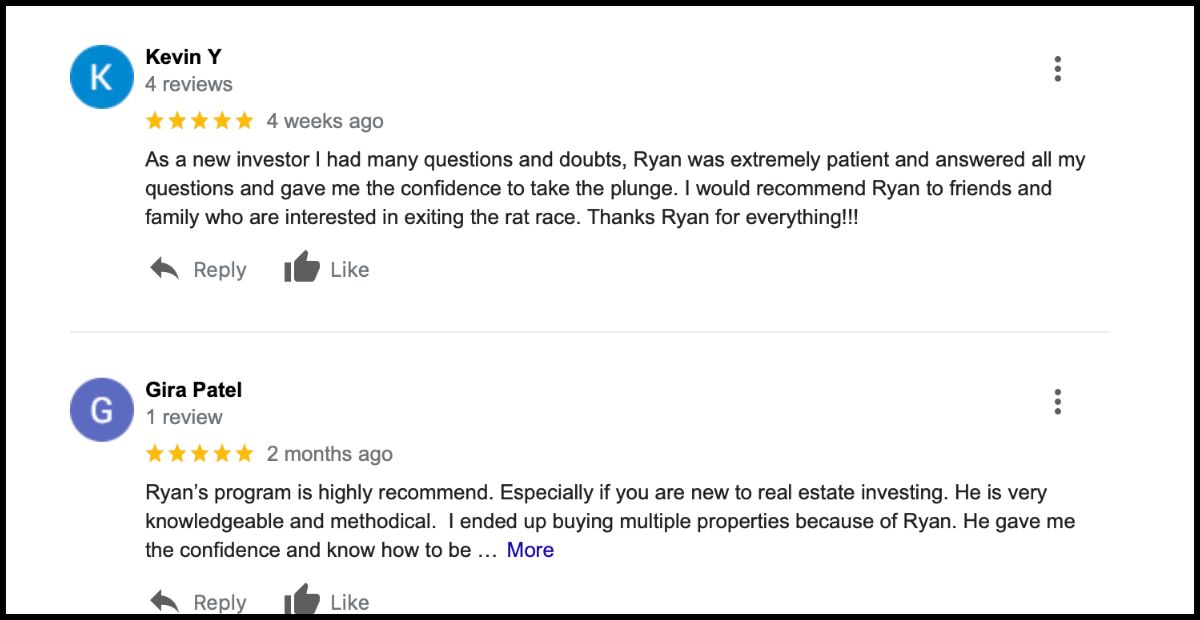
For example, here are just a few of the things my past clients have to say about my services:
How to make the most of having a mentor
Whether you’re working with a paid coach or building an organic relationship with a mentor, your success will depend on what you bring to the table. I’ve seen clients get incredible results not because they were the most experienced — but because they were the most coachable.
If you want to get real results from mentorship, here’s how to make the most of it.
Be coachable
Being coachable means showing up with an open mind, a willingness to learn, and the discipline to implement what you’re taught, even if it pushes you outside your comfort zone.
Some of my most successful clients didn’t have investing experience when we started. What they did have was commitment.
They came to every call prepared. They asked smart questions. They took action and circled back with results.
And when something didn’t work, they didn’t get defensive — they got curious.
If you want to succeed in this business, that mindset will take you further than any spreadsheet.
Respect mentorship boundaries
There’s a big difference between a paid mentorship program and a more casual relationship with a free mentor, and you need to approach each accordingly.
If you’re in a paid coaching program, use what’s available. Show up to calls on time, complete the action steps, and communicate when you’re stuck. You’re paying for structure, systems, and support — so make use of it.
If you’re learning from a free mentor, remember: they’re giving you their time. Be respectful of their boundaries. Don’t ask for more than they’ve offered, and make sure the relationship stays mutually beneficial.
Be self-led
The clients who get the best results aren’t the ones who wait patiently for the next scheduled call — they’re the ones who ask the most questions and send unprompted updates in between.
I call it the Squeaky Wheel principle: the more you advocate for yourself and stay visibly engaged, the more support (and better results) you get back.
My client Brandon Wong is a perfect example. He didn’t just show up to his calls — he texted progress updates, flagged issues the moment they came up, and asked questions constantly. That’s a big part of why he was able to get his Sacramento duplex renting for $2,800/mo across its units as fast as he did.
Mentorship doesn’t mean someone else does the work for you. Whether you’re shadowing an investor or working with me in a structured coaching program, you’re still the one responsible for taking action.
At the start of any coaching engagement, I help my clients lay out a clear roadmap — but I also expect them to take ownership of it.
If you’re waiting for someone else to make every decision for you, this probably isn’t the right time to invest in mentorship. But if you want guidance as you take consistent, self-directed action, mentorship will multiply your results.
Bring a plan first
Here’s a habit that separates mentees who get fast, useful feedback from the ones who get vague, generic answers: don’t come to your mentor with a blank slate.
Instead of asking an open-ended question and waiting to be told what to do, bring a proposed plan and ask for a reaction to it:
“Here’s what’s happening. Here’s what I think we should do. What are your thoughts?”
This does two things. It shows your mentor you’ve actually thought it through, and it lets them react to something concrete instead of starting from scratch — which almost always gets you sharper, faster feedback.
The same principle applies to deals. Don’t dump 10 unanalyzed properties on your mentor and ask them to sort through it.
Run your own numbers first, filter down to your top 1–3, and bring those along with your reasoning. A mentor can help you sharpen a decision much faster than they can make one for you from nothing.
Track your progress
One of the most rewarding things you can do as a mentee is to share your wins. Whether it’s your first accepted offer, your first tenant, or your first month of positive cash flow, share that with your mentor. It helps you stay motivated, and it also shows your mentor that their support is making an impact.
This is especially important with free mentors. A thank-you message, an update on your progress, or even just acknowledging their help goes a long way.
Be patient
If you’re working with a mentor, you’re likely moving faster than you would alone, but that doesn’t mean it will all happen overnight. Real estate investing is a long game.
Your first deal might take a few months. Finding tenants might take longer than expected. The market might shift. Life might get in the way.
But if you stay committed and follow through, you’ll see results.
I tell my clients all the time: there’s no perfect time to start, but there’s a huge cost to waiting indefinitely. Trust the process, lean on your mentor when things feel uncertain, and keep putting one foot in front of the other.
How to ask for mentorship (paid or free)
The right way to ask for mentorship depends on whether you’re approaching someone informally or evaluating a paid coaching program. But both start with showing up prepared, not just asking for help.
Here’s how to approach mentorship respectfully and strategically, whether you’re looking for free guidance or investing in a paid coaching program.
If reaching out for free mentorship
Here’s what not to do: don’t message someone you admire with “Hey, can you mentor me?” right off the bat.
Most experienced investors are busy, and if you haven’t built any rapport, your message is likely to be ignored. That doesn’t mean they don’t want to help — it just means the request has to feel earned.
Start by building a genuine connection:
- Comment on their posts with thoughtful insights
- Ask a specific question related to their content
- Share how their strategy has helped or inspired you
Once you’ve engaged a few times, you can open the door to a mentorship conversation.
Mentorship outreach script
Hi [name],
I’ve been following your posts on [platform] and really appreciate the value you share—especially around [insert specific insight or deal they shared].
I recently started working toward my first [rental/BRRRR/etc.] deal and am following a similar strategy. If you’re ever open to a quick 10–15 minute chat, I’d love to learn how you got started and what you might do differently if you were starting again today.
I know your time is valuable, and I’d be grateful for even a few minutes. Thanks again for everything you put out there!
Keep it short, respectful, and focused on learning — not just asking for mentorship right away.
If you’re considering paid mentorship
Paid coaching is different. You’re not asking for a favor; you’re evaluating whether the program is a good fit for you.
When people reach out to work with me, I always encourage them to ask questions. You want to make sure the coach or program you’re investing in is aligned with your goals and offers real support, not just hype.
Here’s what I recommend looking for before you commit:
1. Track record
Do they walk the talk? Have they actually achieved the kind of success you want? More importantly — have they helped others do the same?
Look for:
- Recent success stories or testimonials
- Specific examples of client wins
- Reviews from people with goals or backgrounds similar to yours
2. Clear systems
Avoid programs that are vague or promise “insider secrets.” The best coaches have a step-by-step process they use to help clients reach tangible results.
Ask:
- What does the coaching structure look like?
- What do I walk away with after 3 or 6 months?
- How will I know if I’m making progress?
3. Real access to a coach
Some programs sell you on one person, but you never actually speak to them. Make sure you’ll have access to someone experienced who can guide you through your specific deals and questions.
These 3 questions will help you find the right coach
- Is this program tailored to my investing strategy? You want someone who specializes in what you want to do — not someone who teaches a dozen models but hasn’t done any of them deeply.
- Will I have direct access to a real coach? Group support and templates are great, but you’ll also want one-on-one help when deals, financing, or challenges get tricky.
- Are there success stories from people like me? If the only wins come from people with tons of capital or years of experience, that’s a red flag. Look for results from investors with a similar background, budget, or timeline.
If you want someplace to start, take a look at my quick video here where I show you how I used real estate to retire at just 31:
Does everyone need a mentor?
No. Some investors do perfectly fine on their own, especially if they’re patient, willing to read widely, and in no rush to move fast — mentorship isn’t the only path to success, it’s just usually the faster one.
Plenty of investors have built solid portfolios with nothing but books, BiggerPockets forums, and a lot of trial and error.
If you’ve got the time to make (and survive) a few mistakes, the patience to piece together scattered advice yourself, and no urgency to hit your first deal by a specific date, you can absolutely get there without paying anyone.
When paid mentorship is worth it
Paid mentorship makes sense when you want to get faster results and avoid risk.
- You’re planning to invest soon — within the next several months, not “someday.” Mentorship compresses a timeline.
- You’d rather pay to avoid a mistake than risk making one. Remember my $30,000 sewer line story? A few thousand dollars in coaching against the real chance of a five-figure mistake on your first deal.
- You want a specific strategy, not general knowledge. If you’re set on a niche approach — student housing, house hacking, a particular market — a mentor who’s actually done that will get you there faster than piecing it together from generic advice.
When it’s probably not worth it yet
Be honest with yourself if any of this sounds like you:
- You’re more than a couple of years out from actually investing. Spend that time reading and building your down payment instead — come back to mentorship when you’re closer to actually getting started.
- Your total investable budget is under roughly $60,000. At that range, it gets tight — coaching costs start to eat into the capital you actually need for a down payment. Free resources and patience will serve you better until you’ve built up more of a cushion.
- You haven’t done any reading or research on your own yet. A mentor multiplies effort you’re already putting in — they can’t manufacture effort that isn’t there. If you haven’t cracked a single book or forum thread yet, start there first and see how far it takes you.
There’s no wrong answer here. Some people want to figure it out alone, while others want to compress years of trial and error. The question isn’t really “is mentorship good,” but “is mentorship right for where I am right now.”
Frequently asked questions (FAQs): Real estate investing mentorship
How much does a real estate investor mentor cost?
Real estate mentorship programs typically cost between $2,000 and $25,000, depending on the format, level of access, and how personalized the support is.
|
Tier |
Format |
Typical price |
Best for |
|
Self-study course |
Pre-recorded lessons, no direct access |
$200–$2,000 |
Investors who want a framework but are comfortable self-directing |
|
Group coaching / mastermind |
Group calls, shared community, some Q&A access |
$2,000–$8,000 |
Investors who want structure and peer accountability on a budget |
|
One-on-one coaching |
Direct, personalized access to a mentor |
$8,000–$25,000 |
Investors who want tailored strategy and faster, hands-on guidance |
One-on-one coaching costs more than group programs, but it’s also the most personalized — you’re paying for direct access, not just content.
Are real estate mentors worth it?
Yes. A great mentor can save you years of trial and error, help you avoid costly mistakes, and fast-track your first deal. Most of my clients wouldn’t have taken action nearly as quickly without mentorship.
Should I pay for a real estate mentor?
If you’re serious about investing soon and want to avoid preventable, costly mistakes, yes — paid mentorship is usually worth it.
I think of it like paying for education. College isn’t cheap, but it can help you learn a specific skill that pays itself off for years afterward. Paid mentorship works the same way.
Free advice can still get you there — it’s just usually slower, and you’re more exposed to the kind of mistakes a mentor would have caught before they cost you money.
What’s the biggest mistake to avoid with a mentor?
The biggest mistake is treating your mentor as a substitute for your own due diligence. Mentorship helps you get results faster, but you’re still in the driver’s seat. You need to do the work and be proactive. Only that way can you get the best results.
What’s the difference between a mentor and a coach?
A mentor shares advice based on experience, often informally. A coach offers a structured program with systems, accountability, and support. However, a coaching program naturally includes mentorship.
What is the best real estate mentorship program?
The best program depends on your goals. Choose one that matches your investing strategy, offers real access to a coach, and has success stories from people like you. If you want to build a student rental portfolio, I can help.
Want to get started today?
You now know exactly how to find the right real estate investing mentor, and why it can be the difference between spinning your wheels for years or finally buying your first property with confidence.
Yes, you can figure it out on your own. I did. But it took me longer than it should have and I made incredibly costly mistakes.
Today, I’ve built a seven-figure student rental portfolio, and I’ve helped plenty of investors do the same. My mission is to help you get there, too, so you can stop waiting and start building real, long-term income and freedom.
If you’re ready to take action and want expert guidance every step of the way, click here to work with me.